Honoring the Legacy of
Kaua'i's Last King

The island that captures the sun, Kaua‘i of Manokalanipō
‘Ahahui Kaumuali‘i, 1924
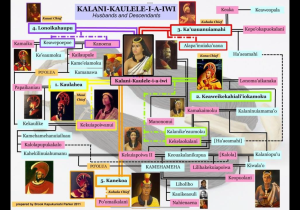
HAWAIʻI & KAUAʻI GENEALOGY
According to Brook Kapukuniahi Parker,Hawaiian Artist, Historian, Genealogist in his January 2024 Presentations and Art Workshop on Kauaʻi; KALANI-KAULELE-I-A-IWI was raised to continue the most sacred lineage and became wife to one of each of the islandʻs highest ranking Kings. LONOIKAHAUPU, of Kauaʻi was last, and considered to be the “true love marriage”.
Never Conquered–Four Hundred Years of Peace on Kauaʻi
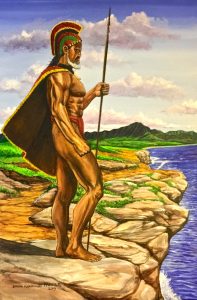
King Kamehameha wasnʻt the first Hawaii Island Chief to attempt to conquer and unite all the islands under one domain: King Kalaunui tried and nearly succeeded. From South to North, he subjugated each Island & King, arriving at Kauaʻi for the final coup.
But luck, grace, a powerful prayer, a magic sword; greater skill, strategy and foresight won the day for 14 century Kauaʻi King Kukona
He freed and sent home the other Island Moʻi, who promised never to raise a hand in war against Kauaʻi Pule Oʻo. 400 years of peace prevailed on Kauaʻi.
Later Kukona traded the Magic Sword/Iron Knife for Kalaunuiʻs freedom. Though rusty it was still rep
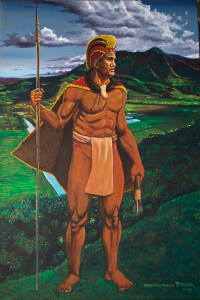
orted to have been seen during Kaumualiʻiʻs reign. Each Island may have itʻs own version, but most familiar is King Kalakauʻs; The Iron Knife, still found in libraries and used booksellers online.
For more on these and other Hawaiian heroes, and chiefs, visit:Brook Kapukuniahi Parker: www.HawaiianatArt.org
Kaumualiʻi ʻOhana-Kauaʻi Aliʻi
Moʻokuʻauhau-History Through Art
Surrounded and nourished by Nature, there is a continuing bond of gratitude and respect. Aloha for each other and Alohaʻaina; for the the environment and the deep cultural and spiritual ties that have always connected people and place. Many families can trace roots back for several generations, while others resonate with our nature through arts, music and other activities.
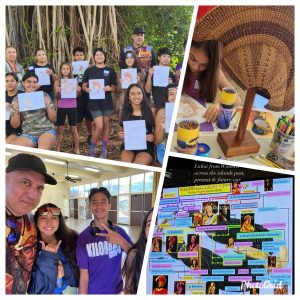
Student Heroes & Ancestors Workshop
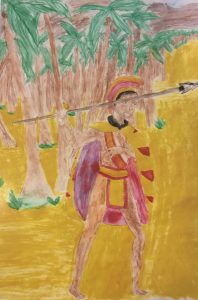
Brook Parker, not only used his talent in genealogy and history to create the first known graphic design of Paulaʻula, he inspired several groups to appreciate and live up to their ancestral connections. In a student Workshop and Contest, students accepted the challenge of connecting their Ohana and aspirations from present with past.
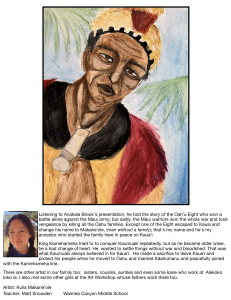
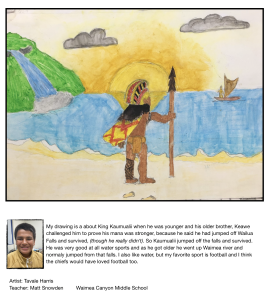
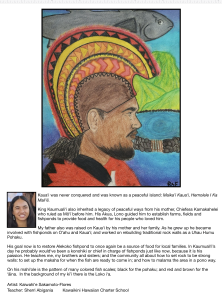
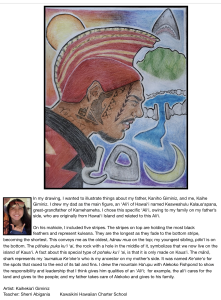
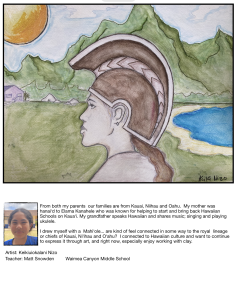
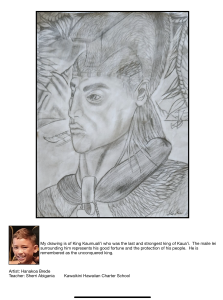
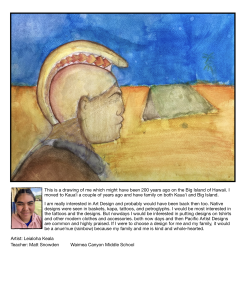
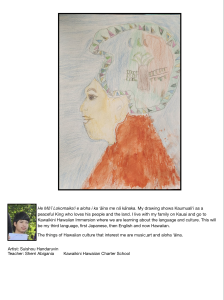
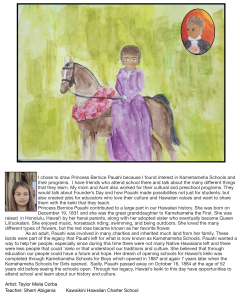
Kaumualiʻi Moʻolelo as Youth Expressed by Kauaʻi K-12 Students in Previous Projects
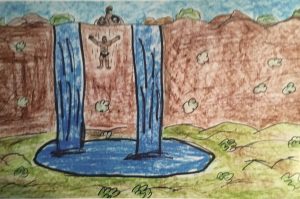

Kaumualii Dives from Wailua Falls Loves New Technology
Avid Waterman and Athlete
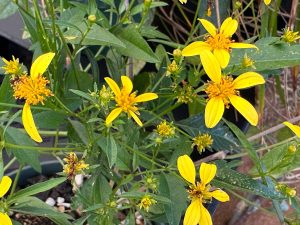
Native Plants That Thrive at Paʻulaʻula
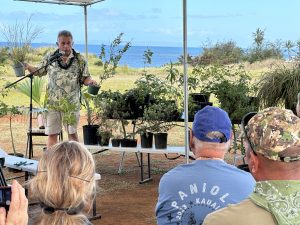
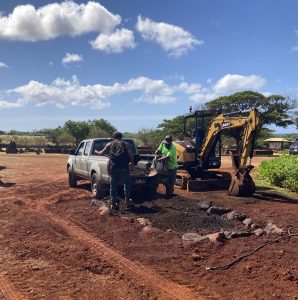
As Kahu of the Kingʻs Kauhale our mission is to assist DLNR & State Parks to restore at least some of the Native life to the site, replacing invasive with native plants which were scraped away for grazing and sugar during the plantation era. We look forward to the improvements planned and funded by the State which can include more vigorous eradication of Haole koa another overgrowth.In the meantime, Board member, Mike DeMotta, retired native living plants and cultural specialist at NTBG has lead some education and planting initiatives.
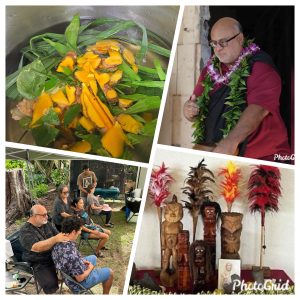 Joined by Sean Kamakea Chun, Laʻau Lapaʻau, the co-lead a training in March for community and special Friends from Kauaʻi like Kauaʻi Native Plant Society which promise to help. Sean recognized that the site itself needs healing from neglect over the years. He spoke of plants used as medicine in treating illness and wounds-still used for health & well-being today.
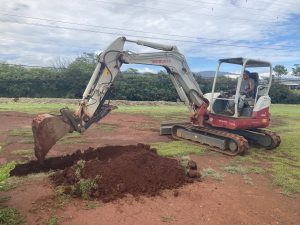
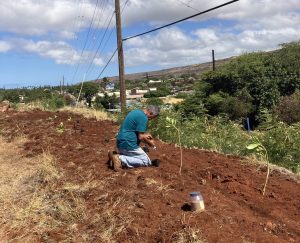
Mike spoke of the many plants that wouldʻve grown and been used here in Kaumualiʻiʻs day and still can. it was also surprising to hear that plants and trees such as Ohia and Iliahi would also have grown on site, as well as many other plants used in daily life. With that we added to the Naupaka, pili grass and pohinahina encircling the Kahua where the Kingʻs statue stands. and as promise of more to come, a border along the highway berm, and two rock beds were added with audit additional natives.
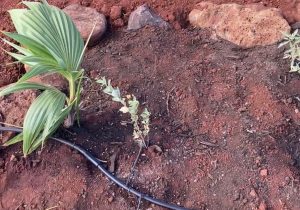
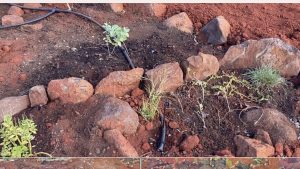
For a little manaʻo on Plant uses from Mike DeMotta: Pili Grass
For full length video of their talk on Native Plants & Medicinals, go to Video Presentations under KauaiKingKaumualiʻi tab: https://youtu.be/9Reoeb4r_84
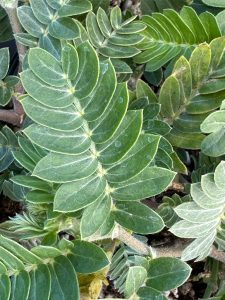
Plant ID and Info by Hawaiian and Latin name: herbal.okauai.com
ʻAina & Kai Feed Body & Soul
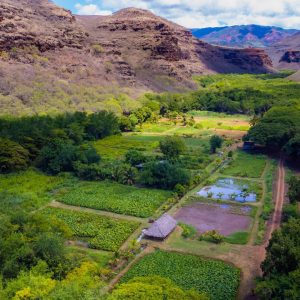 When Missionaries arrived in 1821 King Kaumualiʻi embraced them; grateful for returning his long lost son. He especially looked for ward to their promise of an education of reading & writing in a foreign language for his people.
The Royal couple provided them with housing, furnishings, food and support. Missionaries were amazed at the endless bounty and variety of fruits, vegetables and protein. Mercy Whitney writes of an excursion arranged by Kaumualiʻi, taking them upriver in a double canoe.
May 5, 1821 Excursion up the Waimea River in a double canoe…Lofty peaks, ledges. trails of volcanic eruptions presented a sublime spectacle, …The King had previously given orders to one of the men to get us whatever we should want and accordingly collected a large quantity of watermelons and bananas.
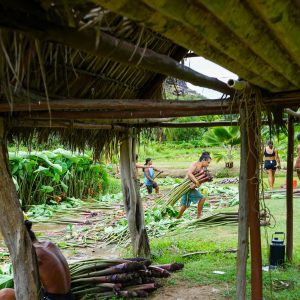
Still today, Waimea/westside has remained small in population, compared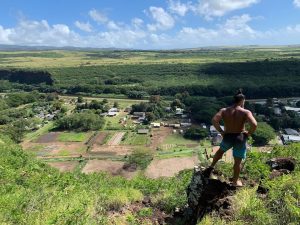 to other island areas; but has retained its strong agri/aqua-cultural base, not unlike 200+years ago. The population lives, eats and recreates by the land, ocean, rivers and mountains. While technology and machinery have made many processes easier, it is still very much a hands-on operation.
Whereas two centuries ago food production fed a native and kamaʻaina population, it also provisioned countless ships for Pacific voyages, not to mention towns and outposts in North America.
At some point in time, Hawaiʻi literally turned it tables to be set with about 90% of itʻs food from elsewhere- which has recently been acknowledged as having a potential for catastrophe if a weather or other disaster impacts our ports.
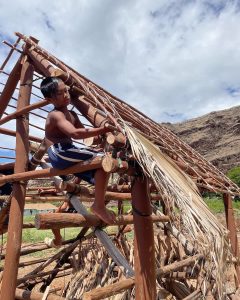
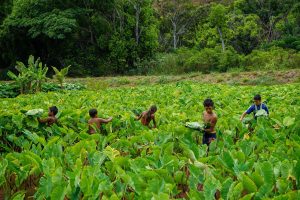
The Waimea/westside/Kona Moku has been pro-active in taking initiative growing itʻs food production and businesses here at home for our own community as well as for export. A growing number of groups: Aloha ʻAina Poi & Ku Mano I Ke Ala and Iwi Kua are making a difference locally with the issue of food security. As Native Hawaiian businesses their programs include: youth education, cultural restoration, workforce development and food systems and farming. See and support their work: @kumanoikeala and alohaainapoico.com, iwikua.org. Support them, as they care for us.
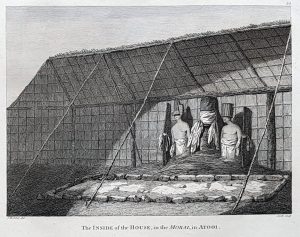
Ancient Hula Flourishes Across the Islands
Mercy Whitney, July 29, 1820“After singing and drumming for some time, six idols made their appearance above the (kapa) curtain and began to dance. their motion was regular with the music….we were soon convinced of the folly and sanity of such an exhibition and as soon as politeness would permit took leave of the King and returned home.”
Despite the initial shock and disdain from missionaries which grew over time, banning old style Kiʻi(puppets) and Kahiko thru well past the mid-20th c; the 1970ʻs brought back culture and language which had gone underground. Inspired and revived by Aunty Nona Beamer and the Hula Preservation Society, Hula Kiʻi is making a huge comeback.
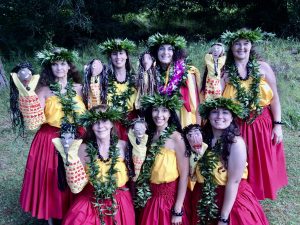
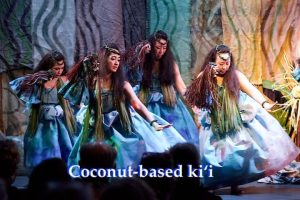
Kumu Hula Māhealani Uchiyama of Hālau Ka Ua Tuahine, in association with Kumu Hula Kiʻi Mauli Ola Cook, holder of the lineal tradition of Kumu Nona Beamer and Kauaʻi alakaʻi of Kumu Hula Victoria Holt Takamine); Kumu Hula Maile Loo-Ching who leads the non-profit Hula Preservation Society; and Kumu Hula Auliʻi Mitchell of Hālau ʻo Kahiwahiwa who is an expert in carved forms and kiʻi innovation, presented Wai Ola, ʻAukele and the Waters of Life in July 2024. This unique art form was offered at Honolulu Theatre For Youth through a project sponsored by a 2021 Choreography Award and 2024 Touring Grant from the Gerbode Foundation. https://hulapreservation.org/waiola-%CA%BBaukele-the-waters-of-life/
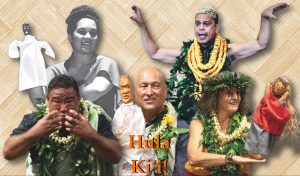
The project that led to this production encompassed the research of classical themes, the construction of hula puppets, and the development of a dedicated practice from the kiʻi traditions. for more information visit: hula preservation.org a related exhibit various old and new Kiʻi was offered at the Capital Modern in Honolulu. https://www.capitolmodern.org/festpac#exhibits

*Click to read the article


‘AHAHUI KAUMUALI‘I
P.O. Box 509 Waimea, Kauaʻi, HI 96796
kumukeao@gmail.com